BORONIA LABORATORY · MELBOURNE, VICTORIATalk to our team (03) 9879 2999
Statewide GeotechnicalBoronia
Laboratory

ASSESS BEFORE PLACEMENT

Fill material
assessment.

Review proposed imported or onsite fill before placement. The assessment can combine material information, visual inspection, representative sampling and laboratory testing against the intended use and project requirements.

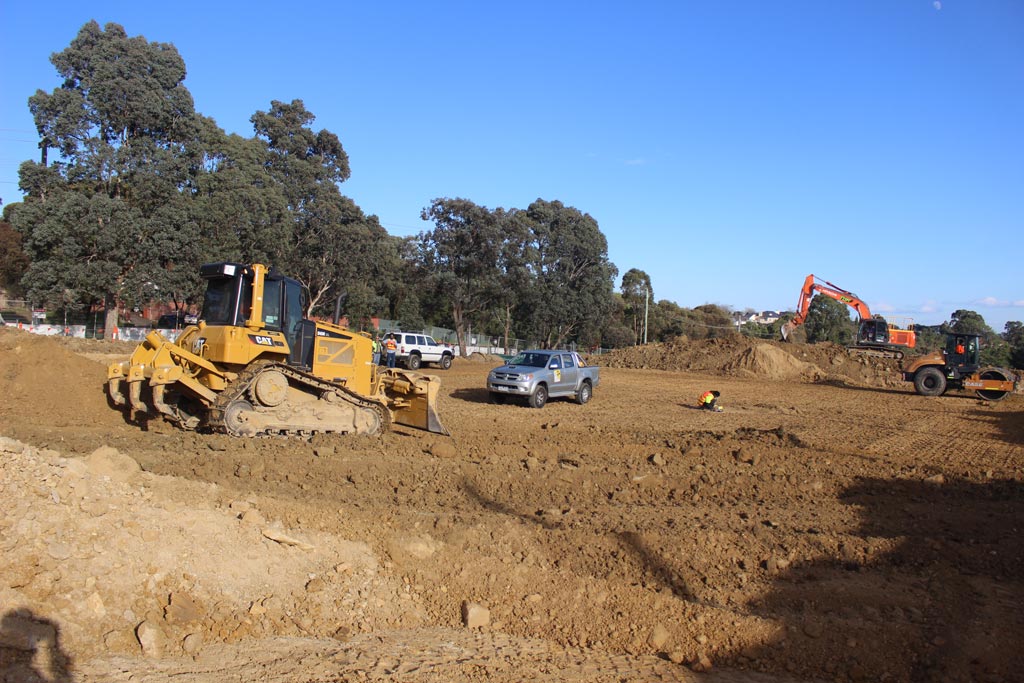
Earthmoving equipment working with fill material on a construction site
MATERIAL SOURCE · SAMPLING · LABORATORY TESTING

ASSESSMENT PROCESS

Connect the material
to its proposed use.

01

Review requirements

The material source, proposed use, project specification and relevant acceptance criteria are reviewed before the assessment scope is agreed.

Send the specification and available source information with your enquiry.

Source · intended use · project criteria
02

Inspect and sample

Visual inspection and representative sampling can be arranged for the proposed fill source or stockpile within the agreed scope.

Material variability and stockpile access can affect the sampling plan.

Visual observations · representative samples
03

Laboratory testing

Testing may include particle-size distribution, Atterberg limits, compaction or CBR where required for the intended assessment.

The test schedule depends on the material and project requirements.

Classification · compaction · strength
04

Assessment reporting

Findings and test results are reported against the agreed criteria to support the project team’s review of the proposed material.

Approval and acceptance remain subject to the project specification and responsible project parties.

Observations · results · assessment findings

INFORMATION TO PROVIDE

Define the material
and the requirement.

The clearest assessment starts with the project criteria and traceable information about the proposed fill.

Send the project details ↗

LABORATORY SUPPORT

Select tests for the
question being asked.

Classification tests describe grading and plasticity. Compaction testing establishes a laboratory density reference, while CBR testing can support assessment of bearing properties under specified conditions. The right combination depends on the proposed use and project documentation.

Explore soil classification ↗

Related testing

Particle size and Atterberg limits
Compaction and CBR testing

Sample quantities and test conditions should be confirmed before material is dispatched to the laboratory.

COMMON QUESTIONS

Before committing
to a fill source.

Can you assess imported and onsite fill?

Yes, subject to an agreed scope. Provide the source, material description, proposed use and project requirements so the inspection, sampling and test schedule can be planned.

Which laboratory tests will be required?

That depends on the material, intended use and specification. Testing may include particle-size distribution, Atterberg limits, compaction and CBR, but the required schedule should be confirmed rather than assumed.

Can I bring a sample directly to the laboratory?

Contact us first. We need to confirm whether client-supplied sampling is appropriate, the quantity required and how sample identification and source information should be recorded.

Does the assessment replace project approval?

No. The assessment provides observations and test results against the agreed criteria. Formal acceptance remains subject to the project specification and the responsible project parties.

Considering a fill source
for your project?

Request an assessment ↗